
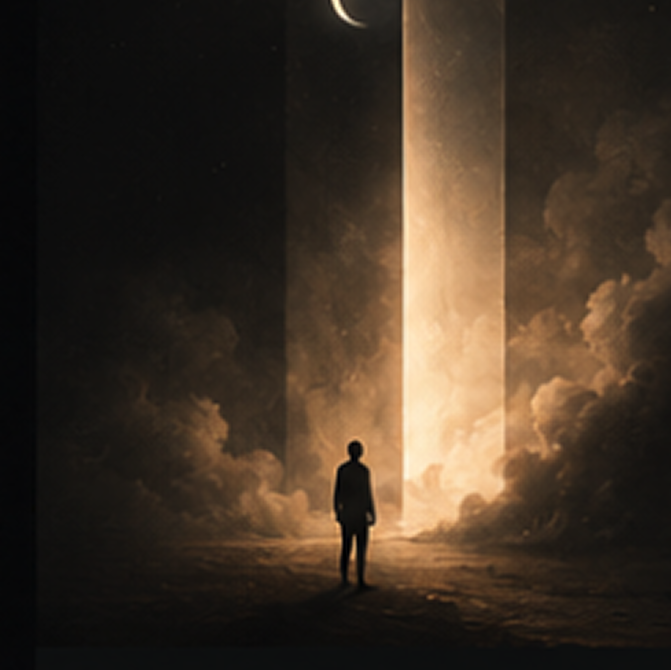
Creating a compelling exhibition starts with a solid foundation. This foundation is a well-defined curatorial question. It connects various creative fields like painting, sculpture, graphic design, and experimental film.
This question is key. It guides the selection of artists and objects. It also shapes the exhibition’s layout. A well-crafted thesis draws from pioneers like André Breton and the 1920s’ automatic writing.
It also looks at the cinematic work of Luis Buñuel and Salvador Dalí. It includes the work of lesser-known figures like Leonora Carrington and Remedios Varo.
Explaining why surrealism’s challenge to rationalism is important today is vital. This requires deep research and feedback from peers. It ensures the exhibition adds to the ongoing conversation.
The thesis guides every decision in the process. It’s a standard against which all choices are measured. This careful planning is key to a successful exhibition that captivates its audience.
Checklist Building Balancing Icons, Rediscoveries, and New Media
Creating a surrealist exhibition requires a detailed checklist. It balances famous artworks, new discoveries, and modern media. This balance attracts both the public and scholars. Famous artists like René Magritte and Max Ernst draw crowds. But, including lesser-known artists adds depth and scholarly value.
New media like digital animation and virtual reality also play a role. They bring surrealism into the 21st century. This approach draws in different people and expands surrealist art.
Each piece is checked for its relevance and value. The checklist is a strategic plan. It considers the art’s worth, historical importance, and if it can be shown. Curators also think about the availability of the art and the costs involved.
| Artwork Type | Examples | Significance |
|---|---|---|
| Iconic Masterworks | René Magritte, Max Ernst | Immediate public recognition |
| Rediscovered Artists | Claude Cahun, Toyen | Scholarly distinction |
| New Media | Digital animation, VR installations | Attracts diverse audiences |
A good checklist guides the exhibition’s story while being flexible. This flexibility is key for curators. It helps them deal with loan agreements and make the exhibition a success.
Loans, Rights, and Budgets: Building Relationships, Timelines, Insurance, and Shipping
Getting loans and rights is key for a great surrealist show. You need to work with museums, collectors, and foundations. Places like the Museum of Modern Art in New York and the Centre Pompidou in Paris have amazing surrealist pieces.
Each lender has its own rules for things like keeping the art safe and how it gets there. Building good relationships with the people in charge can really help. Being open and clear is important for working together well in the future.
Loan agreements must cover important stuff like insurance and what happens if something goes wrong. This helps keep both the lender and the show safe.
When shipping art, like paintings or photos, you need experts. They make sure the art gets there safely. You also have to plan for costs like packing and getting the art through customs.
Having a good plan is key. It helps you meet deadlines and get everything ready on time. Curators know that careful planning is important for keeping the museum safe and respected.
| Aspect | Details | Importance |
|---|---|---|
| Relationships | Engagement with lenders | Facilitates trust and future collaborations |
| Loan Agreements | Insurance and indemnity clauses | Protects both parties involved |
| Shipping | Specialized art handling | Ensures safety of artworks |
| Budgeting | Includes all related costs | Prevents financial overruns |
| Timeline | 18-24 months coordination | Aligns all parties and schedules |
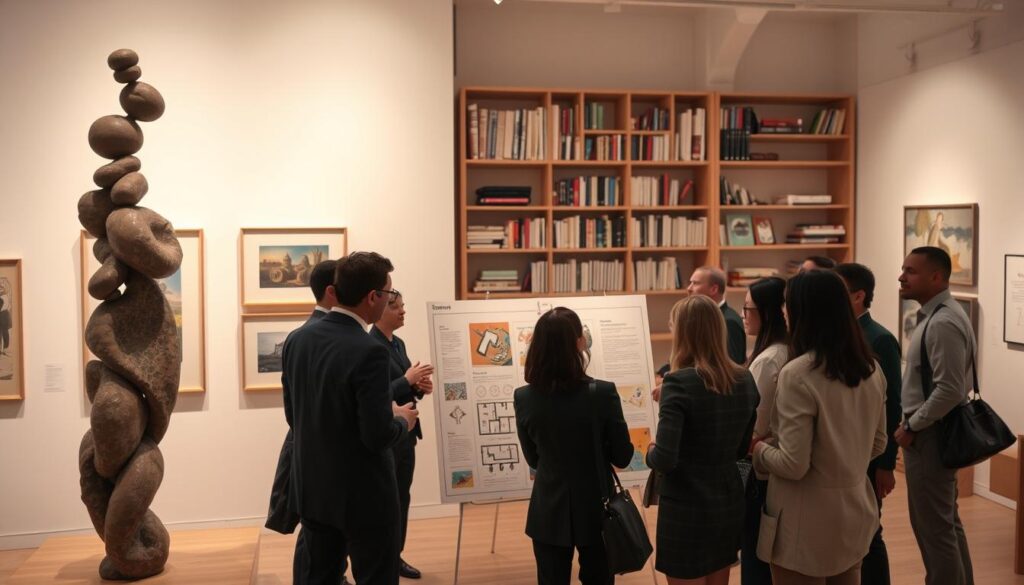
Spatial Dramaturgy: Sequencing Rooms, Thresholds, Mirrors, and Sound Bleed Control
Curating surrealist exhibitions involves a key concept called spatial dramaturgy. It turns the floor plan into a story guide for visitors. Good exhibition design means arranging galleries in a way that keeps visitors engaged. It balances intense visuals with quiet moments.
Room thresholds act as mental shifts. A tight passage can feel like a dream’s narrow path. A big room can feel endless, like the subconscious. This mix of space and mind is key to a great visit.
Mirrors, used by artists like Man Ray, add to the surreal feel. They make spaces seem bigger and blur reality. Curators use mirrors to make visitors think about their views and question what’s real.
Managing sound in multimedia shows is a big challenge. Sounds from films or poetry readings need to stay in their area. This keeps the experience clear and focused. Important design points include:
| Design Element | Description | Purpose |
|---|---|---|
| Acoustic Baffles | Sound-absorbing panels placed strategically | Minimize sound transmission between spaces |
| Directional Speakers | Speakers aimed at specific audience areas | Contain sound within designated zones |
| Isolated Viewing Chambers | Enclosed spaces for immersive experiences | Enhance focus on audio-visual content |
The layout also must meet accessibility rules. This makes sure everyone can move around safely and easily. It shows that curating surrealist exhibitions is for everyone.
Lighting and Mounts: Conservation for Fragile Materials
Lighting and mounting are key in keeping fragile materials safe in surrealist shows. Works on paper, like Max Ernst’s drawings and old photos, need careful light. They should not get more than 50 lux and must block UV rays to avoid damage.
Oil paintings by artists like Yves Tanguy and Roberto Matta can handle a bit more light. But, it’s important to watch how much light they get to keep them safe for a long time.
Mounts must be strong and not show too much. Using custom brass or powder-coated steel mounts is best. They spread out the weight well, keeping frames and canvases safe.
Vitrines for surrealist objects, like Joseph Cornell’s boxes and Meret Oppenheim’s teacup, need special care. They must keep the air’s humidity steady to protect these delicate pieces.
When objects arrive, conservators check them closely and take photos. They work with scientists to set up checks and keep an eye on things. This includes using special tools and checking often.
It’s very important to keep preservation standards high, even if it means less show. This way, art can be enjoyed for years to come. For more on lighting for art, check out this link.
| Artwork Type | Light Level Limit (Lux) | Mounting Material | Humidity Control |
|---|---|---|---|
| Works on Paper | 50 | Brass/Powder-Coated Steel | Required |
| Oil Paintings | Up to 100 | Brass/Powder-Coated Steel | Recommended |
| Vitrines | Variable | Glass/Steel | Critical |
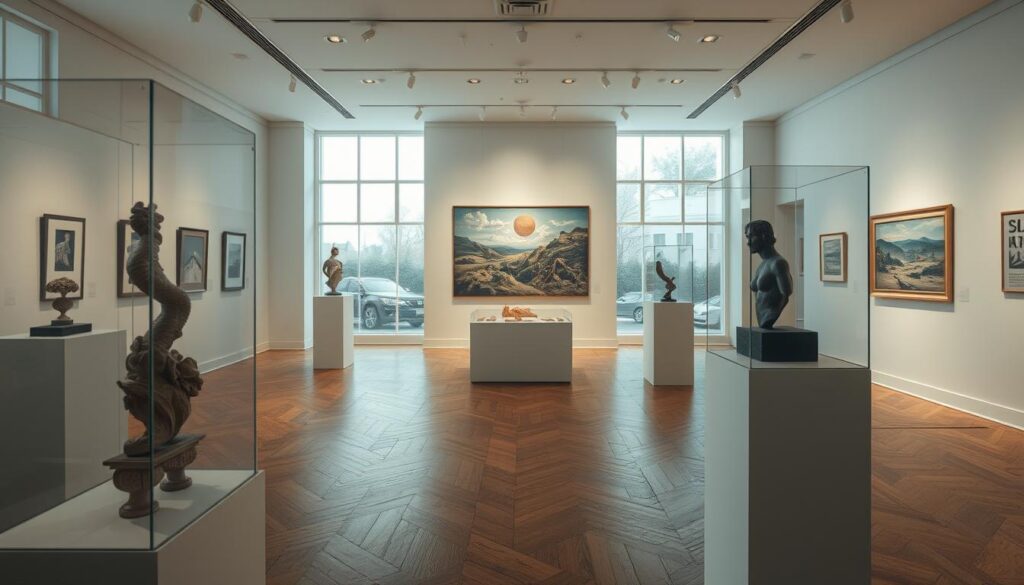
Interpretation: Labels, Audio Guides, Kids Trail, and Access Copies
Interpretive materials are key in making complex surrealist ideas easy to understand. When curating surrealist exhibitions, it’s important to think about how these materials help visitors connect with the art. Good interpretive labels should be short but also give a deep look into the artwork’s context.
These labels should talk about the work’s history, the artist’s goals, and how it fits into the exhibition’s theme. This way, visitors get a deeper understanding of what they see.
Audio guides add another level of engagement. They include curator talks, surrealist poet recordings, and interviews with experts. This multimedia approach lets visitors dive deeper into surrealism’s themes.
A kids’ trail is another creative idea. It introduces young visitors to surrealism through fun activities and questions. This encourages curiosity and helps kids develop a love for art early on.
Access copies, like tactile reproductions and large-print texts, make sure everyone can enjoy the exhibition. These efforts show a dedication to making the experience inclusive for all.
All texts are carefully checked for accuracy, clarity, and inclusive language. They are translated into many languages to reach a global audience. The goal is to meet the institution’s educational goals while respecting every visitor’s curiosity.
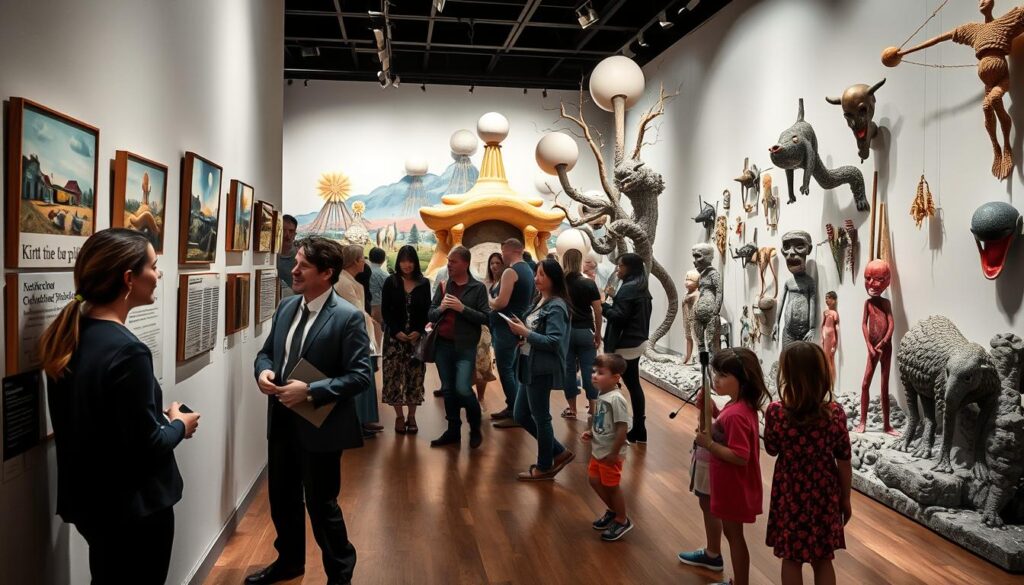
Programs: Talks, Screenings, Workshops, and Community Partnerships
Engaging the community through public programs is key for surrealist exhibitions. These programs help the exhibition reach more people. They spark conversations and deepen connections with the audience.
Curator-led talks offer authoritative insights into the exhibition’s themes. Art historians specializing in surrealism, like those from the International Society for the Study of Surrealism, bring different views.
Film screenings are also important. They show classics like Un Chien Andalou and L’Âge d’Or. Including films by Maya Deren and Jan Švankmajer adds variety to the experience.
Workshops let people try surrealist techniques. They can learn about automatic drawing, collaborative composition, and photomontage. These activities boost creativity and knowledge.
Community partnerships with local arts groups, universities, and cultural institutions make programs more impactful. Working with psychology departments can explore surrealism’s link to Freud and Jung. Literary organizations might host surrealist poetry readings.
Every program should aim at different audience groups, from experts to families. Evaluation mechanisms, like tracking attendance and surveys, help measure success. They guide future plans.
Marketing: Visuals, Tone, Inclusive Language, and Photography Rights
Marketing a surrealist exhibition well means using great visuals and careful words. The look of the exhibition should show the spirit of surrealism. This spirit is all about making us think and see things differently.
Choosing the right lead image is key. It could be Magritte’s The Treachery of Images or Dalí’s The Persistence of Memory. The image should grab the attention of those who might come.
The tone of the campaign should be both fun and deep, like surrealism. It’s important to avoid being too obvious or cliché. Also, using inclusive language in all ads makes sure everyone feels included. This helps attract more people and gets them involved.
Getting the rights to take photos is also very important. You need to talk carefully with artists’ estates, like the Succession Picasso or the Estate of Leonora Carrington. You must pay attention to how you can use their work and for how long. This helps you follow the rules and get more people interested.
To really connect with your audience, make sure your online marketing is strong. This includes social media and emails. Your plan should include:
- Earned media: Use press and reviews to show you’re credible.
- Targeted advertising: Use data to find the right people to reach.
- Institutional partnerships: Work with local groups to get more seen.
Keeping your message the same everywhere helps build a strong brand. By using these methods, curators can draw in a wide range of people to their surrealist exhibitions.
Evaluation: Attendance, Dwell Time, Social Metrics, and Scholarly Reviews
Measuring a surrealist exhibition’s success is complex. It involves looking at many factors. These help curators know what works and what needs work.
Attendance figures are key. By looking at who comes and when, curators learn about marketing. They can then tweak their plans to draw more people.
Dwell time studies show which art pieces grab visitors’ attention. Tools like Bluetooth beacons track how long people look at art. This info helps make future shows better.
Social media is also important. By checking likes, shares, and comments, curators see how people react. This shows if the exhibition is making waves in the art world.
Reviews in journals like Art Bulletin, October, and Tate Papers offer a deeper look. They judge the exhibition’s value in art history. This helps curators make smarter choices.
Visitor feedback is also valuable. Surveys and groups give insights into what visitors think and learn. This helps curators improve their work.
The table below shows the main ways to evaluate an exhibition:
| Metric | Purpose | Methodology |
|---|---|---|
| Attendance | Measure visitor numbers and demographics | Data analysis by day and time |
| Dwell Time | Identify engaging artworks | Observational tracking, Bluetooth technology |
| Social Metrics | Gauge public reception | Social media analysis |
| Scholarly Reviews | Assess academic contribution | Peer-reviewed publications |
This detailed approach helps curators show they’re doing a good job. It also helps plan for the future. This way, they can keep improving and growing.
Legacy: Catalog Publishing, Touring Options, and Digital Archive
Curating surrealist exhibitions leaves a lasting mark. A well-made exhibition catalog is a key part of art history. It includes essays from experts, high-quality images, and detailed information about each piece.
This catalog boosts academic talks and public interest in surrealism. Working with top presses like Yale University Press helps get the catalog to more people. This partnership also makes the exhibition more credible and educational.
Touring the exhibition lets it reach more people. It can go to big museums in Europe and Asia or smaller places. Each stop needs careful planning, including checking loan deals and keeping pieces safe.
A digital archive is vital for keeping the exhibition’s memory alive. It can have 360-degree views, curator interviews, and downloadable materials. This archive helps researchers and keeps the public engaged with the exhibition’s themes.
For more on curating and resources, check out this link.
In summary, a surrealist exhibition’s legacy is rich and varied. It includes scholarly work, traveling shows, and digital preservation. This ensures the exhibition’s impact and education continue even after it closes.