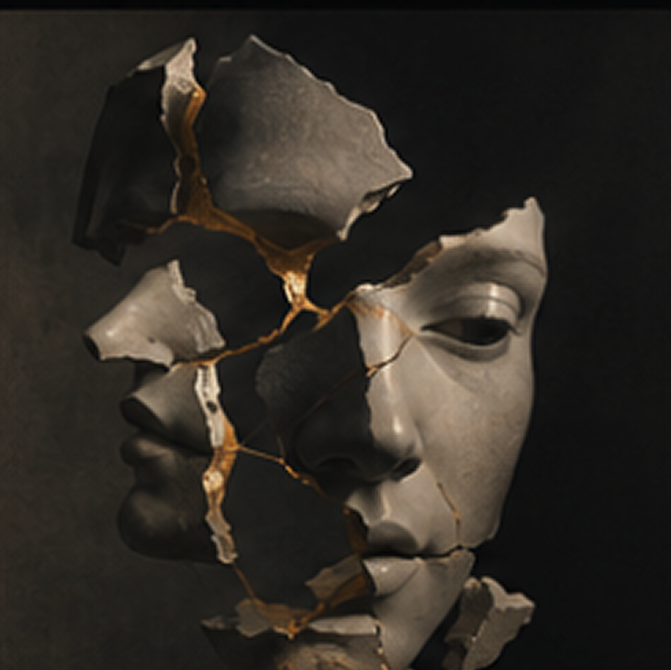
The world of contemporary art is changing fast. Synthetic dreams mix technology and creativity in new ways. This opens up fresh paths for artists to show their work.
These tools let artists create visuals that push the limits of what we see. It’s a big change for art lovers too. They need to understand how these tools affect the art world.
Collectors must keep up with these changes. They need to know how technology changes art’s value and authenticity. Getting this right is key for anyone wanting to buy this new kind of art.
This guide will explore the key points about these tools and their role in collecting art. By understanding these changes, collectors can stay ahead in the fast-paced art world.
From photomontage to prompt art historical continuum of collage and chance
The journey from early photomontage to modern AI art shows a rich artistic heritage. It links early collage techniques by artists like Hannah Höch and John Heartfield to digital surrealism and AI. These methods have shaped our visual culture and guide today’s art.
Chance operations, key in Dadaism, are vital in this story. Dadaists’ cut-up techniques and John Cage’s exploration of indeterminacy highlight a love for the unexpected. This love for randomness is at the heart of AI surrealism, where algorithms bring chance into art.
AI surrealism is not a new start but a natural step in art history. It questions who the artist is and gives new life to old images. Knowing this history helps collectors see the value and importance of digital art.
Surrealist ideas, like mixing things up and using dream logic, match what AI does. The hidden spaces in AI are like a digital version of the early surrealists’ work. Important moments in art history, like 1920s Berlin Dada and 1990s digital collage, show a constant interest in chance and new ways to combine images.
This history helps collectors tell real digital surrealism and AI art from just fun stuff. For more on how art mixes things up and its history, check out this resource.
Toolset overview diffusion models 3D kitbashing vr sculpting and workflows
Today’s generative art tools include cutting-edge technologies. Diffusion models are key, known for creating stunning visuals. Stable Diffusion, Midjourney, and DALL-E are some examples. Each model has its own way of making art, fitting different needs.
These models work by turning prompts into images. So, prompt design is very important. The Mindvalley AI Summit shows more people are learning about AI in art.
3D kitbashing is also big in generative art. It’s like building with blocks, using tools like Blender and Unreal Engine. Artists mix and match parts, then add AI touches for a unique look.
Virtual reality sculpting tools like Gravity Sketch and Adobe Medium let artists make shapes in space. These tools help AI make art even better. It shows how art is becoming more professional.
Artists use these tools to make their work better. The Mindvalley AI Summit shows the art world is growing. For art lovers, knowing about these tools helps understand the art’s value.
Aesthetics glitches hyperreal morphs and data dreams
The world of AI surrealism is where tech meets art. This part talks about how to understand digital surrealism and AI art. Knowing these aesthetics is key for business folks looking to buy art.
There are three main ways art looks in this new world: glitch aesthetics, hyperreal morphs, and data dreams. Each style shows different ways artists use tech to create. They give us a peek into the future of digital art.
| Aesthetic Category | Description | Key Characteristics |
|---|---|---|
| Glitch Aesthetics | Artistic strategies that utilize technical failures as expressive forms. | Datamoshing, pixel sorting, compression artifacts. |
| Hyperreal Morphs | Seamless, photorealistic transitions between disparate subjects. | Uncanny imagery, challenges perceptual certainty. |
| Data Dreams | Hallucinatory outputs from models pushed beyond training distributions. | Over-saturated colors, morphologically unstable compositions. |
When looking at these artworks, experts should think about a few things. They should look at compositional intentionality, conceptual coherence, and technical control. It’s also important to see if the artist can guide the machine’s work.
Knowing about these art styles is key for anyone serious about digital surrealism and AI art. It helps collectors talk with gallerists and artists. This way, they can make choices based on more than just personal taste.
The link between art styles and how well they sell is important. Some styles keep attracting buyers, while others are more hit-or-miss. So, understanding art well can help in making smart buys in this fast-changing market.
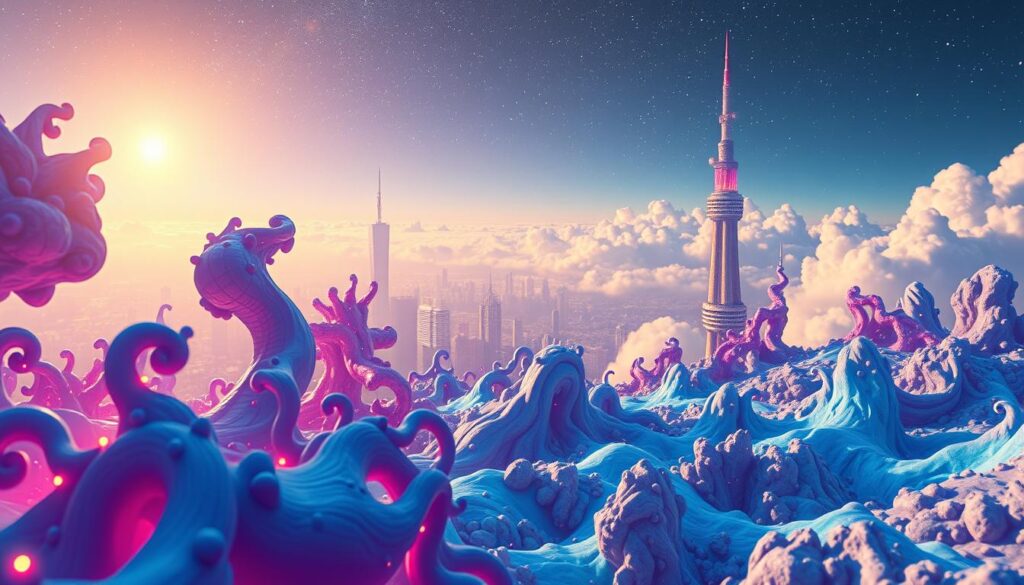
Ethics authorship training data bias fair use and transparency
Ethical challenges in digital surrealism and AI art are big risks for collectors. The question of who owns the art, humans or machines, is not clear. This makes it hard to know who should get the credit and rights.
Another big issue is bias in training data. Many AI models learn from Western art, leaving out other cultures. This could limit the variety in collections. It’s important for collectors to understand this might not show all kinds of art.
The fair use doctrine is also being questioned. Cases like Andersen v. Stability AI are making people think about this. The results of these cases could change what’s considered art. So, collectors need to keep up with these legal fights.
Being open is seen as a good thing in this field. Artists who share how they work are safer to buy from. This openness helps avoid legal and ethical problems.
Collectors should ask artists about their data, training, and rights. By doing this, they can make better choices in the digital surrealism and AI world.
Editions and ownership nft smart contracts vs traditional prints
The world of digital art ownership has changed a lot, thanks to the NFT market reset. This change makes collectors think differently about buying and managing digital art. It’s important to know the difference between NFT smart contracts and traditional prints.
NFTs, or non-fungible tokens, use smart contracts like ERC-721 and ERC-1155. These contracts help transfer digital asset ownership, keeping records on the blockchain. But, collectors need to think about where the metadata is stored. On-chain storage keeps the info with the NFT, while off-chain might cause problems.
The royalty enforcement mechanisms in smart contracts are key for artists. They help artists earn from future sales. Yet, these contracts face real-world legal challenges. The lack of clear laws for NFTs can make owning them tricky.
On the other hand, traditional prints like archival pigment prints or screen prints are physical. They have legal protections and feel more permanent than digital art. Many collectors prefer the physical aspect of traditional prints.
Hybrid models are becoming popular. They combine a physical print with an NFT for digital proof of authenticity. This way, collectors get the best of both worlds.
The NFT market reset is a needed change. It focuses on art quality and provenance, not just hype. Now, collectors look for clear contracts and safe storage, not just rare items.
For business pros, understanding these models is key. A comparison table can help collectors choose. It looks at things like how easy it is to sell, storage costs, and legal safety. This way, collectors can make smart choices in the digital art world.
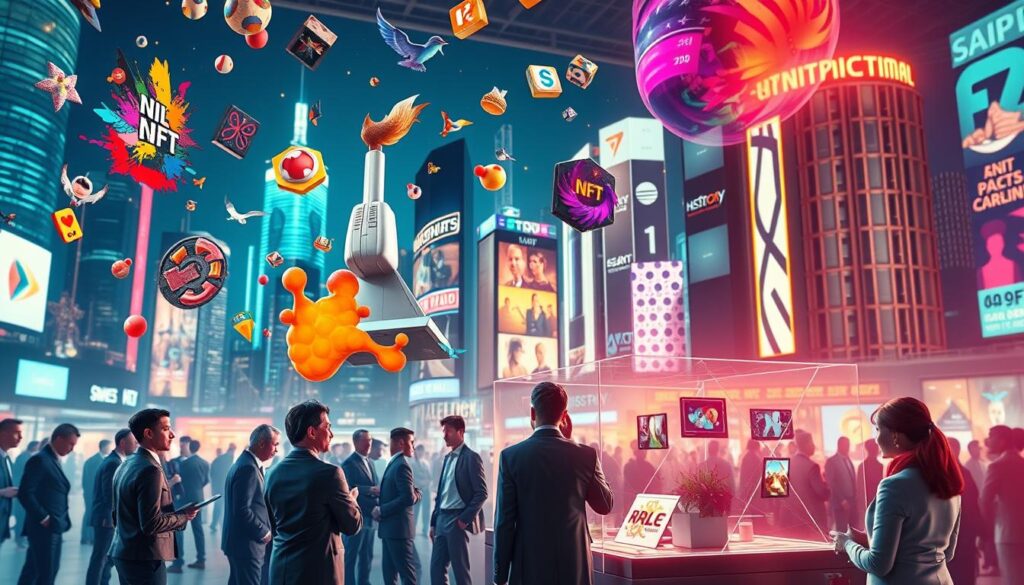
Provenance and verification watermarks hashes and stewardship
Provenance verification is key in digital surrealism and AI art collecting. It sets the value and authenticity in a fast-changing market. Knowing about provenance helps collectors deal with digital art’s complexities.
There are three main layers of provenance for collectors:
| Layer | Description | Key Technologies |
|---|---|---|
| Cryptographic Provenance | Records transaction history and ownership transfers on public ledgers. | Ethereum, Tezos |
| Forensic Provenance | Uses invisible watermarks and perceptual hashes for authentication. | Content Fingerprinting, Digital Watermarks |
| Curatorial Provenance | Documents exhibition history and critical reception to establish cultural pedigree. | Exhibition Catalogs, Publication Records |
Each layer is important for digital artwork integrity. Stewardship means more than just owning something. It’s about keeping it safe and making sure its history stays intact through technologies like IPFS pinning or Arweave storage.
It’s also important to keep records of a digital art’s condition. Using tools like C2PA content credentials and Adobe’s Content Authenticity Initiative helps add secure provenance data to images.
For business folks, this means having a checklist for:
- Pre-acquisition authentication
- Ongoing custody management
- Exit preparation
Learning these verification methods helps avoid problems like fake art. It also gives collectors an edge in the digital art market. Provenance on chain is a big plus for digital art, unlike traditional art markets.
Display hardware frames projection ar xr considerations and costs
In the world of digital surrealism and AI art, the display hardware is key. It affects how we see these creations. Whether for work or home, picking the right gear is critical.
Art lovers should look at frames like Meural, Samsung The Frame, and Tokenframe. They offer great color and refresh rates. These are important for showing off prompt design‘s details.
For big art setups, think about professional-grade projectors. They need the right lumens and throw distances. With the right setup, they can show amazing visuals.
AR and XR are new ways to show digital art. They let art blend with the real world. Devices like Apple Vision Pro and Meta Quest make this possible.
It’s important to know the full cost of owning art. This includes the price of the hardware, energy use, and updates. Also, think about where you’ll display it and how it will connect to the internet. Keeping your art safe from hackers is also key.
Businesses showing art in offices or meeting rooms should plan carefully. A budget-friendly approach can make a big impact. It also shows off the company’s style.
Choosing how to display digital art is more than just tech. It’s about how we experience and value these works. As digital art grows, so must our ways of showing it.
For more on augmented reality’s market impact, check out this link.
Curating online shows platforms communities and juried calls
The world of curating online shows has changed a lot. It now offers new chances for artists and collectors. With generative art becoming popular, many platforms have popped up to show it off. SuperRare, Foundation, objkt.com, and Verse are leading the way, each with their own style and rules.
These sites not only show digital art but also bring artists and collectors together. Knowing how they work and who buys art there helps people decide where to look. Also, platforms like Discord and Twitter/X are becoming places where artists and collectors can talk and share ideas in real-time.
Juried calls from places like the Lumen Prize and the AI-ARTS Competition are key. They help collectors find new artists. Artists get more visibility, and collectors know they’re getting quality art.
Online shows on New Art City and Spatial are changing how we see art. What started as a quick fix during the pandemic has turned into a new way to show art. Now, people all over the world can see and enjoy generative art.
The Mindvalley AI Summit shows how learning platforms can also be places to find art. They introduce new people to generative art, helping shape what people like and who they follow. For business folks, knowing which platforms to watch is key to finding new talent before they become famous.
In short, getting involved in online platforms and communities is key for collectors in the generative art world. By checking out who curates art online and joining juried calls, collectors can improve their experience and investment in this exciting field.
Collector risk and opportunity market cycles royalties and custody
The world of digital art collecting is full of risks and chances, thanks to the nft market reset. This change has made us look at market cycles again. These cycles show patterns of growth, correction, and stability. Knowing these patterns is key for collectors to move through this tricky time.
Market cycles can be studied by looking at trading volumes, floor prices, and how easy it is to buy and sell on big platforms. Collectors need to watch out for risks like problems with the blockchain, changes in laws, and smart contract hacks. They also have to think about risks tied to certain artists or collections.
Royalties are changing too. The move to optional royalties on places like OpenSea worries about how creators will make money. But, sites like Manifold and Art Blocks are using smart contracts to make sure artists get paid. This could help both artists and collectors by making money more stable.
There are many ways for collectors to keep their NFTs safe, from using cold storage like Ledger and Trezor to big custodian services like Fireblocks and Copper. Choosing the right one means looking at things like insurance, estate planning, and following the law.
The nft market reset has been tough for those in it for the quick profit. But it has also made it better for serious collectors. It has cleaned up the market, shown real artists, and set fair prices. For business folks, having a good plan for managing risks is vital. This includes spreading out investments, planning for selling, and thinking about taxes on digital assets.
Case studies artists studios and galleries using hybrid processes
The world of digital surrealism is changing fast. Artists and galleries are now using new ways to create art. Refik Anadol’s studio is a great example. They use special AI models to make huge, immersive art pieces.
These works not only break new ground in art but also show how important it is to know where the data comes from. This is called data provenance on chain. It makes sure the art’s creation is open and honest.
Galleries like bitforms and Unit London are changing how art is shown. They mix digital art with traditional displays. They use NFTs to prove the art’s authenticity, showing how big data is changing the art world.
Art Blocks is a platform that focuses on creating digital art in a special way. They have a system for making sure each piece is unique and valuable. Artists like Sofia Crespo and Mario Klingemann are at the forefront of this new art world.
Crespo uses neural networks and biological data in her work. Klingemann is known for his use of GANs and diffusion models. Their work shows how art can be both new and meaningful.
These examples teach collectors a lot. They show how to check if an artist’s work will last. Knowing how an artist handles their data is key to making smart choices. For more on surrealism’s impact on today’s culture, check out this resource.