
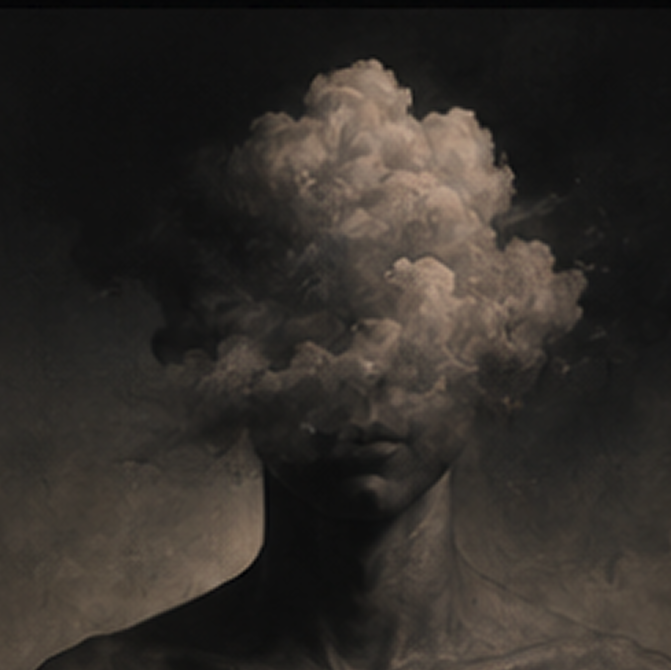
Surrealism started as a fascinating movement in the early 20th century. It aimed to unlock the unconscious mind with dreamlike images. This art form challenged reality and stirred deep emotions, creating fantastical works that drew people in.
Now, with modern technology, surrealism has changed a lot. Artists use tools like Adobe Photoshop, Blender, and Procreate. They mix photography, 3D modeling, and illustration to make amazing visuals. This new approach keeps surrealism’s core ideas but adds new elements like light and motion.
In the 1930s, many surrealists moved to Mexico, making it a key place for the movement. Wolfgang Paalen was a key figure, starting the journal DYN in 1942. He wanted to focus on a scientific, universal view, different from André Breton’s politics. DYN’s influence helped shape surrealism and other art movements, like abstract expressionism.
Looking into digital surrealism, we see a blend of old and new. It uses modern techniques but stays true to surrealism’s roots. For more on artists who are shaping this field, read the article on 10 surrealism artists who bend reality through.
Innovative Techniques & Software
Digital surrealism uses many new techniques and software. Artists use tools to make amazing and engaging art. Photo manipulation is key, letting artists mix images smoothly with tools like Photoshop. This makes surreal art that makes us question reality.
3D modeling is also important. With programs like Blender and Cinema 4D, artists can add depth and realism. They can create detailed scenes and characters, bringing their dreams to life.
Digital painting tools like Procreate and Corel Painter are also vital. They mix old art methods with new tech. This lets artists try out different styles and effects.
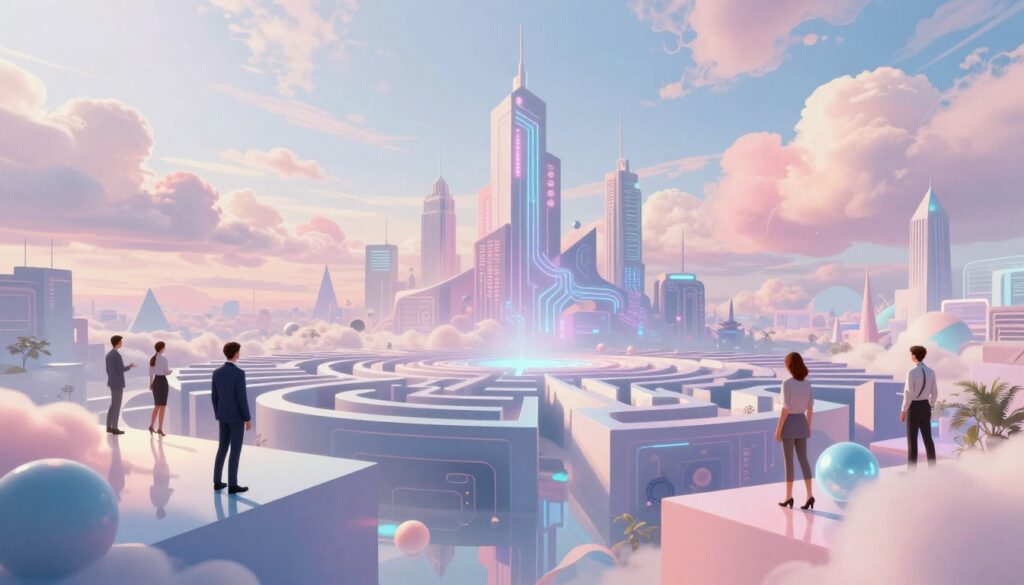
Animation and motion graphics, made possible by After Effects and Toon Boom Harmony, turn static images into moving stories. This makes the art more engaging and surreal.
Virtual reality (VR) and augmented reality (AR) are new areas in digital surrealism. With tools like Oculus Medium and Tilt Brush, artists can make immersive worlds. Adobe Aero and Unity let people interact with these worlds in new ways.
As tech gets better, AI-driven techniques are becoming more common. GANs make realistic images, and RL changes art based on what viewers like. PSO also helps make art-making more efficient.
Style transfer and PCA add to the variety of art. Style transfer lets artists mix different styles into their work. PCA keeps the art quality high while using less computer power.
These new methods let artists create dynamic and interactive surrealist art. It grabs the audience’s attention. For more on these techniques, check out this detailed article.
Key Digital Surrealists
Digital surrealism has been shaped by many artists. Their unique styles and techniques have captivated people all over the world. These artists explore themes like identity, reality, and the subconscious.
Beeple (Mike Winkelmann) is a standout in this field. He became famous for his daily “Everydays” project, where he creates a new digital artwork every day. His record-breaking NFT sale of $69 million brought digital surrealism into the mainstream. Beeple’s work combines 3D modeling, digital painting, and photo manipulation. He often critiques modern society through surreal imagery.
Vladimir Kush is a bridge between traditional and digital surrealism. He started with traditional paintings but now works digitally. His works mix natural elements with surrealistic visions, inviting viewers to explore deeper meanings.
Android Jones is another key figure. His digital paintings are full of color and explore consciousness and human experience. Jones uses modern techniques to create vibrant pieces that challenge perceptions and evoke emotions.
Wolfgang Paalen made big contributions to surrealism with his DYN journal. His ideas influenced artists like Jackson Pollock and Robert Motherwell. This shows how surrealism has evolved from the early 20th century to today’s digital artists.
| Artist | Key Contribution | Technique | Notable Work |
|---|---|---|---|
| Beeple | Daily digital art project | 3D modeling, digital painting | “Everydays” series |
| Vladimir Kush | Integration of traditional and digital | Symbolic painting | “Metaphorical Landscapes” |
| Android Jones | Psychedelic digital art | Intricate digital painting | “The Future is Now” |
| Wolfgang Paalen | Influential surrealist thinker | Abstract expressionism | DYN journal |
These artists show how modern techniques are used in surrealism. Their works reflect personal visions and engage with societal issues. This makes digital surrealism a dynamic and relevant art form today. For more on surrealist methods, visit this link.
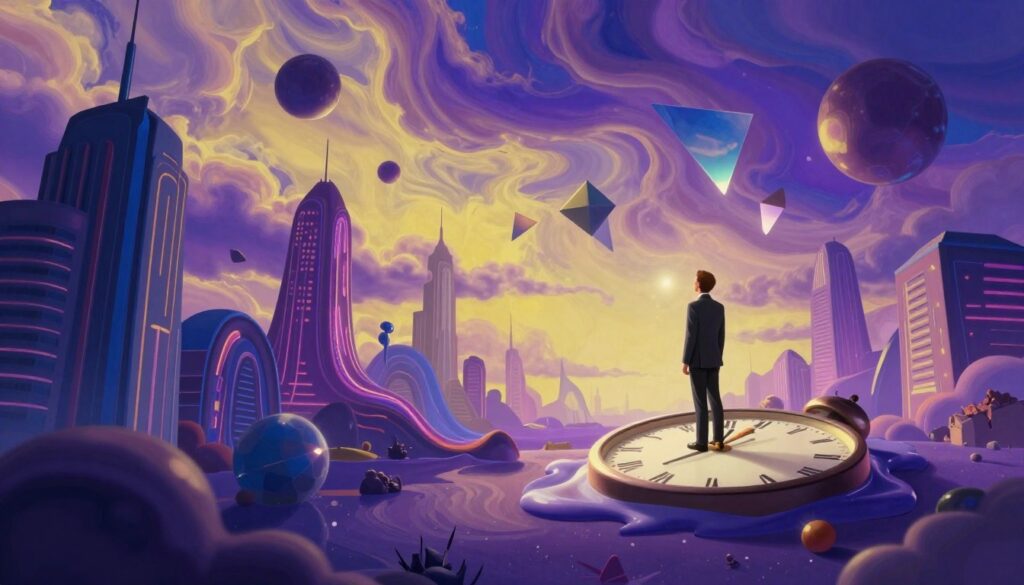
Comparing Traditional & Digital Surrealism
Traditional surrealism paved the way for today’s art. But digital art has changed the game. Early surrealists used oil paint and collage to create dreamlike scenes. Their work was full of meaning, touching on politics and psychology.
Digital surrealism uses software to create similar effects but better. Artists can now change images and ideas in ways they couldn’t before. This new way of working lets artists explore their subconscious in new ways.
The DYN journal shows how surrealism has evolved. It moved away from focusing on politics and towards a more universal approach. This change hints at the data-driven art we see today.
Now, AI-generated art makes us think about who is the real artist. Algorithms can create art that looks new and different. This makes us question what it means to be an artist in today’s world.
Digital surrealism also lets people interact with art in new ways. With VR and AR, viewers can step into the art. This makes the experience more real and engaging.
| Aspect | Traditional Surrealism | Digital Surrealism |
|---|---|---|
| Medium | Physical media (oil paint, collage) | Software and digital tools |
| Artistic Process | Manual creation, limited iterations | Instant manipulation, endless possibilities |
| Audience Interaction | Passive viewing | Active participation through VR/AR |
| Philosophical Approach | Political and psychological themes | Scientific and universal perspectives |
Future Trends and Innovations
The world of digital surrealism is changing fast, thanks to new tech. Tools like artificial intelligence (AI) and machine learning are changing how artists work. These tools help create unique patterns and visuals, blending human creativity with machine smarts.
AI makes art come alive in real time. For example, it can change how art reacts to people’s actions. This makes each viewing special, creating a strong bond between the art and those who see it. The use of Generative Adversarial Networks (GANs) and Particle Swarm Optimization (PSO) opens up new ways to make art that grows with viewer input.
Virtual reality (VR) and augmented reality (AR) will take digital surrealism even further. They let people dive into surreal worlds, experiencing art in new ways. But, we must think about the ethics of AI in art, like copyright and bias. It’s important to be open about how AI works to keep art fair.
The future of digital surrealism is about artists and tech working together. This mix will take our imagination to new levels, creating art that changes how we see the world. As we go forward, the conversation between creators, viewers, and machines will guide digital surrealism’s next steps.