
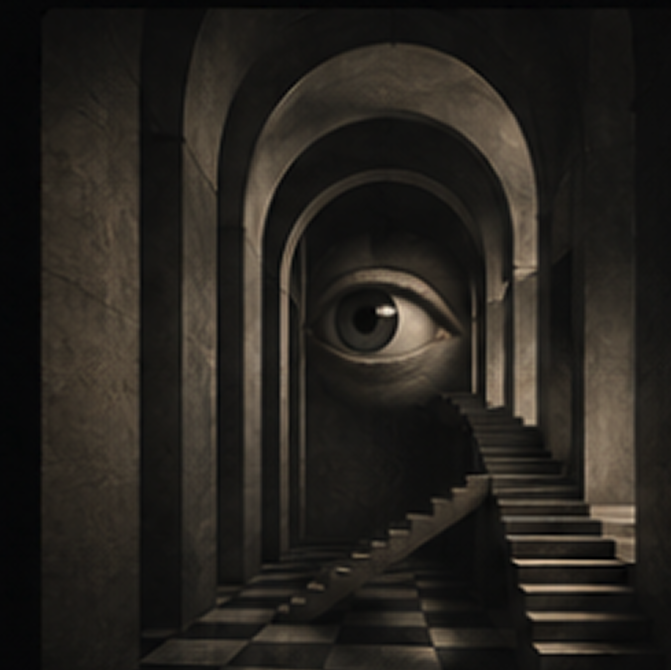
The journey into British Surrealism is fascinating. It shows how tradition and innovation blend. This art movement, shaped by European influences, has a unique British flavor.
British art slowly adopted Cubism, Surrealism, and Vorticism. This was a gradual process. It shows a national preference for figuration over abstract art.
Important places like the Slade School and the New English Art Club were key. They helped create a unique modernism that British people loved. Knowing this history helps collectors and investors understand British Surrealist art’s value.
Art from this time is rare and valuable. It tells compelling stories. The movement’s growth shows how cultural places can welcome new ideas. For more, check out the exhibition Surrealism Beyond Borders for a global view.
Key artists Eileen Agar Paul Nash Ithell Colquhoun Roland Penrose and networks
The world of British Surrealism is shaped by its key artists. Eileen Agar, Paul Nash, Ithell Colquhoun, and Roland Penrose are at the heart of it. They brought their unique visions and worked together, creating a special artistic scene.
Their work shows how personal creativity meets broader artistic trends. This mix is fascinating to explore.
Eileen Agar and the Organic Surrealist Vision
Eileen Agar’s art shows an organic surrealist vision. It invites us to see the strange in nature. Her famous piece, *Rockface, Ploumanach*, shows rocks that look like faces.
Agar’s love for organic shapes is key to surrealism. Her art blends the bizarre with the natural, appealing to those who see beyond the surface.
Paul Nash, Unit One, and the Landscape of Dreams
Paul Nash was a key figure in British modernism, thanks to Unit One. This group aimed to unite modernist art forms. Nash’s work often shows landscapes as dreamlike, stirring emotions.
Through Unit One, Nash and others pushed against old art norms. They wanted art that was abstract and deeply emotional. This move has shaped art today.
Ithell Colquhoun, Roland Penrose, and the Transnational Networks
Ithell Colquhoun and Roland Penrose show how British Surrealism connected globally. Colquhoun explored the occult in her work, adding depth. Her art attracts collectors and scholars.
Penrose was key in spreading ideas and resources. His work kept British Surrealism alive and influential. The teamwork of these artists shows the power of collaboration.
Wartime and exile influences refugees galleries and publishers
The impact of wartime and exile changed British Surrealism a lot. Refugee artists and intellectuals from occupied Europe made the local art scene richer. They brought new ideas and perspectives, adding urgency and authenticity to the movement.
The *De Schone Zakdoek* journal is a great example. It was made in secret during the Nazi occupation of Utrecht. This shows how Surrealist groups kept creating, even when it was hard. They made handmade copies to avoid being caught.
The Influx of Refugee Artists and Intellectual Capital
Refugee artists grew the British Surrealist community. They also brought new ideas. Artists like Marcel Jean showed how art can be a way to find freedom, even when you’re displaced.
Clandestine Publishing and the Resilience of Surrealist Networks
Galleries and small publishers were key in keeping the movement alive. When big places were hard to reach or not welcoming, these smaller groups helped a lot. They were the main way Surrealist works got out, even when it was tough.
For collectors, these works are very special. They’re not just valuable art. They also show the strength and survival of artists during hard times. The mix of wartime exile and British Surrealism is powerful, showing the lasting impact of art.
Mediums painting collage photography objects and illustration
British Surrealism explored many artistic mediums. Artists used different techniques to show the strange and unknown. Knowing these mediums helps us understand the movement’s depth and importance.
Painting and Collage as Primary Vehicles of the Uncanny
Painting is a key medium, but in British Surrealism, it mixed with collage. This mix added real textures to dreamlike scenes. Eileen Agar’s Madonna of the Setting Sun (1942) is a great example.
Collage is special because it brings together different things. It creates interesting visuals and shows the Surrealist idea of chance. Artists like Agar used collage to show the strange and the familiar.
Photography, Found Objects, and the British Craft Tradition
Photography was key in British Surrealism for capturing the strange in everyday life. Manuel Alvarez Bravo and Dora Maar used it to comment on society and politics. Their photos show how the ordinary can become extraordinary through Surrealism.
Found objects were also important in British Surrealism. They used materials from nature, highlighting the value of craftsmanship. This focus on making things by hand made British Surrealism unique compared to Parisian Surrealism.
For those interested in collecting, knowing about these mediums is important. Unique collages and objects are easier to find than paintings but are just as valuable. They show the movement’s focus on chance and making things.
Landmark exhibitions and museums Tate National Galleries regional houses and sculpture parks
The world of British Surrealism is greatly influenced by its key exhibitions and museums. Places like Tate and the National Galleries are vital in keeping this art movement alive. They help make British Surrealism widely recognized.
Recent shows, like Tate Modern’s “Surrealism Beyond Borders” (2022), have changed how we see Surrealism. They show it’s not just from Paris but a global movement. This shift is important for both collectors and fans, highlighting the artists’ importance.
Institutional Validation at Tate and National Galleries
Museums like Tate and the National Galleries don’t just display British Surrealist art. They also help make it a part of history. These places are key for keeping the movement alive through talks and appreciation.
For collectors, knowing about these exhibitions is key. It’s like checking a company’s background. The trust these places give to artists and their work can really boost their value.
Regional Houses and Sculpture Parks as Custodians of British Surrealism
Regional houses and sculpture parks also play a big role in keeping British Surrealism alive. They have important collections of artists like John Tunnard and Graham Sutherland. These places make sure all art gets the attention it deserves.
Going to these places lets you see art in a special way. You can see works not in big museums, getting to know the movement better. This local focus adds to the bigger stories told by national museums.
The mix of big museums and local spots makes British Surrealism’s story richer. When collecting, think about this support. It makes the artists’ work more visible and keeps their legacy alive.
For more on British Surrealism and its exhibitions, check out this article.
Market landscape pricing trends rarity and condition pitfalls
The British Surrealism market is influenced by rarity, pricing trends, and condition issues. Collectors and investors need to understand these factors to make smart choices. This section offers key insights into the market, focusing on how rarity and condition affect prices.
Pricing Trends and Rarity Analysis for British Surrealist Works
British Surrealist art often sells for less than French art. This creates a chance for collectors to find good deals. But, the rarity of these pieces can cause their value to jump, mainly for those that mix landscapes and dreams.
To grasp pricing trends, one must look at recent sales and market shifts. The table below shows how rarity affects market value:
| Artwork | Artist | Recent Sale Price | Rarity Factor |
|---|---|---|---|
| Untitled Collage | Eileen Agar | $45,000 | High |
| Landscape Dream | Paul Nash | $60,000 | Medium |
| Surreal Object | Ithell Colquhoun | $30,000 | Low |
Condition Pitfalls and Authentication Protocols
British Surrealism often faces condition problems, mainly with paper collages and found objects. These are fragile and can deteriorate. Fading prints also lower value, making condition checks vital for collectors.
To ensure authenticity, checking catalogues raisonnés and archives of institutions like the Tate is key. A strict authentication process is not just wise; it’s essential for safeguarding your investment.
Buying British Surrealist art is like investing in alternative assets. It demands the same careful analysis and risk assessment as any private equity deal. By grasping market dynamics, collectors can improve their portfolios.
Travel itinerary a week across London Cornwall Sussex and Scotland
Start a week-long journey to explore British Surrealism in key places. This trip is for those wanting to understand the art movement’s roots. Each stop lets you see the environments that inspired famous artists.
London: Institutional Hubs and Gallery Districts
Begin in London, the heart of British Surrealism. Visit the Tate Modern and Tate Britain to see works by Eileen Agar and Paul Nash. These places not only show the art but also tell its story through collections and shows.
Also, check out galleries in Bloomsbury for modern surrealist art. Enjoy private viewings and talks with curators to learn about British Surrealism’s impact today.
Cornwall, Sussex, and Scotland: The Landscape of Inspiration
Next, head to Cornwall, linked to Ithell Colquhoun’s art. Its cliffs and beaches were a key part of many surrealist works. Colquhoun’s art shows the Celtic magic of the area, making it essential for understanding art and place.
Then, go to Sussex to see Farley Farm House, home of Roland Penrose and Lee Miller. This place was a hub for artists and thinkers. It shows how collaboration influenced their art.
End your trip in Scotland, with its wild landscapes that add to the surreal feel. The Highlands offer a perfect end, letting you think about how these places shaped the artists’ views.
Library and archives where to study letters journals and small presses
When studying British Surrealism, libraries and archives are key. They hold primary sources that shed light on the movement’s history. Researchers, investors, and curators can find original letters, manuscripts, and journals here.
Primary Source Archives and Scholarly Access
The Tate Archive is a top spot for British Surrealism research. It has vast photographic collections and papers on key artists. The Scottish National Gallery of Modern Art also has special collections that deepen our understanding of Surrealism.
The Literatuurmuseum in The Hague is another important resource. It has documents that show how British Surrealism connected with European trends.
Small Presses, Periodicals, and the Dissemination of Surrealist Thought
Small presses and periodicals were vital for spreading Surrealist ideas. The *De Schone Zakdoek* is a great example. It kept Surrealist networks alive during tough times.
For business pros, these archives are like looking at a company’s original documents. They offer real insights into the movement’s strategy, debates, and collaborations. Knowing how to use these resources is key for solid research.
| Archive | Location | Key Holdings | Access Type |
|---|---|---|---|
| Tate Archive | London, UK | Photographic collections, artist papers | Open to the public |
| Scottish National Gallery of Modern Art | Edinburgh, UK | Special collections on Surrealism | By appointment |
| Literatuurmuseum | The Hague, Netherlands | Documents on Surrealist networks | Public access |
How it differs humor landscape myth and craft in the british thread
British Surrealism is special because it mixes humor, landscape, and myth in a unique way. It’s different from some European styles because it keeps a strong focus on figures. The Santa Barbara Museum of Art highlights this, saying that figuration stays strong even as new ideas are taken in.
The British thread combines a deep connection to the local landscape and ancient myths. Artists like Paul Nash and Ithell Colquhoun show this through their work. They use mystical elements from megalithic forms and occult geographies. This isn’t just about looks; it’s a way to explore deeper stories and identities.
Also, British Surrealism is known for its dry, literary humor. This makes it stand out from the more emotional works of its European peers. It rejects Freudian ideas, like those of André Breton, for a more hands-on, craft-based approach. This change is important for collectors, showing that British Surrealist art is not just a copy but a unique creation.
The Centrality of Landscape and Myth in British Surrealist Identity
The mix of landscape and myth in British Surrealism gives it a special identity. Artists show familiar yet strange things, blending the everyday with the poetic. This invites viewers to see the uncanny in a new way, with a distinctly British twist.
Humor, Craft, and the Rejection of Dogmatic Orthodoxy
The British Surrealist way is all about humor and craftsmanship. It’s a thoughtful look at the uncanny, unlike other surrealist movements. This makes it important for collectors and fans to understand the differences in the Modernist art world.
| Aspect | British Surrealism | Continental Surrealism |
|---|---|---|
| Connection to Landscape | Strong, mystical engagement | Often abstract, less focus on landscape |
| Use of Humor | Dry, literary humor | Emotional and dramatic |
| Artistic Approach | Craft-based, empirical | Freudian dogmatism |
| Market Perception | Unique asset class | Derivative interpretations |
Contemporary continuities living artists and shows to watch
British Surrealism is alive in today’s art scene. Many artists find inspiration in its themes like landscape and myth. They bring a new twist to British Surrealism, making it relatable to today’s audience.
Living Artists Carrying the British Surrealist Torch
Artists like Sarah Lucas and Grayson Perry are key figures today. They blend personal stories with cultural critiques. Their work pushes the limits of British Surrealism.
Current and Upcoming Exhibitions to Monitor
Exhibitions like “Surrealism Beyond Borders” at Tate Modern are must-sees. They showcase both historical and modern surrealist art. Keep an eye out for new shows to discover fresh talent and trends.
Staying updated on the art market is important. The growing interest in British Surrealism is exciting. It offers great chances for cultural investment and exploration.