
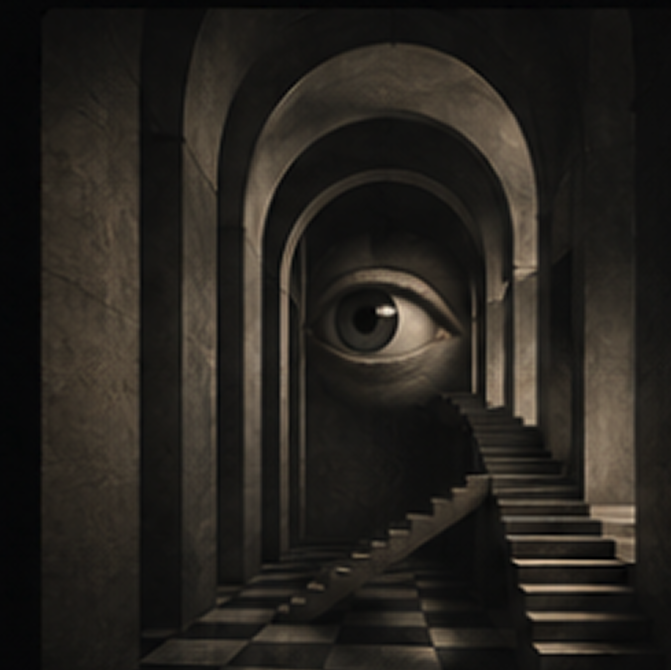
Surrealist cinema is a key artistic movement that shakes up our usual ways of thinking. The Manifesto of Surrealism, written by André Breton in 1924, calls for a big change in our values. It aims to go beyond what science can explain by exploring our unconscious minds.
Surrealism wants to mix dreams with real life, reaching a state called “Surreality.” Movies are seen as the best way to show this, using strange scenes and vivid images. This method breaks away from old stories and makes us think more deeply about life.
Looking through the lens of surrealist cinema, leaders and creatives can find new ways to think. By accepting the unexpected and the strange, they can face problems with new ideas. To learn more about surrealist art’s symbols, check out this helpful guide.
Filmic origins Buñuel early shorts and shock tactics montage and sound
Luis Buñuel’s early films, like his shorts, are key to understanding surrealist cinema. His work with Salvador Dalí in Un Chien Andalou (1929) is a major milestone. It’s known for its bold, dream-like scenes inspired by Freud’s theories.
The film’s most shocking moment is when a razor cuts an eye. This scene was meant to break free from traditional movie rules. Buñuel and Dalí rejected normal storytelling for something more surreal. This new approach changed how movies were made and seen.
Next, Buñuel made L’Age d’Or (1930), which added sound to the mix. The film’s sound design was just as daring, mixing strange noises with dialogue. This made the dream-like atmosphere even more intense for viewers.
- Shock Tactics: Used to shock and challenge the audience.
- Montage Techniques: Created dream-like sequences.
- Synchronized Sound: Introduced a new layer to the story.
Buñuel’s use of montage, slow-motion, and sound changed cinema forever. His early work not only changed how movies tell stories but also opened doors for exploring the human mind. These works show how to push boundaries and achieve creative breakthroughs.
Photographic surrealism rayographs solarization collage and magazine culture
The mix of surrealism and photography led to new ways of seeing the world. Man Ray was a key figure in this area. He created rayographs, which are cameraless photos, to explore light and shadow.
These works were abstract and ghostly, captivating many. Ray’s method involved placing objects on photosensitive paper. This made everyday things seem strange and new.
Ray also used solarization to make his photos even more surreal. This technique reversed the light and dark in images. It added to the dreamy feel of his work.
Ray’s darkroom experiments were not just creative. They also helped start a new magazine culture. Magazines began using photomontage to create shocking and thought-provoking images.
Collaging images became a key part of surrealist art. It allowed artists to mix different ideas and styles in exciting ways.
Here’s a table that shows the importance of these techniques in surrealism:
| Technique | Description | Impact on Surrealism |
|---|---|---|
| Rayographs | Cameraless photographs created by placing objects on photosensitive paper. | Challenged traditional photography and introduced abstract compositions. |
| Solarization | A process that reverses tonal values, creating striking contrasts. | Enhanced the dreamlike quality of images, blurring reality. |
| Photomontage | Collage of various images to create new visual narratives. | Facilitated a dynamic exploration of themes and ideas in surrealism. |
For business leaders, learning about these techniques is like a lesson in creativity. Artists like Man Ray showed how to use what you have in new ways. This can help a brand be unique in a crowded market.
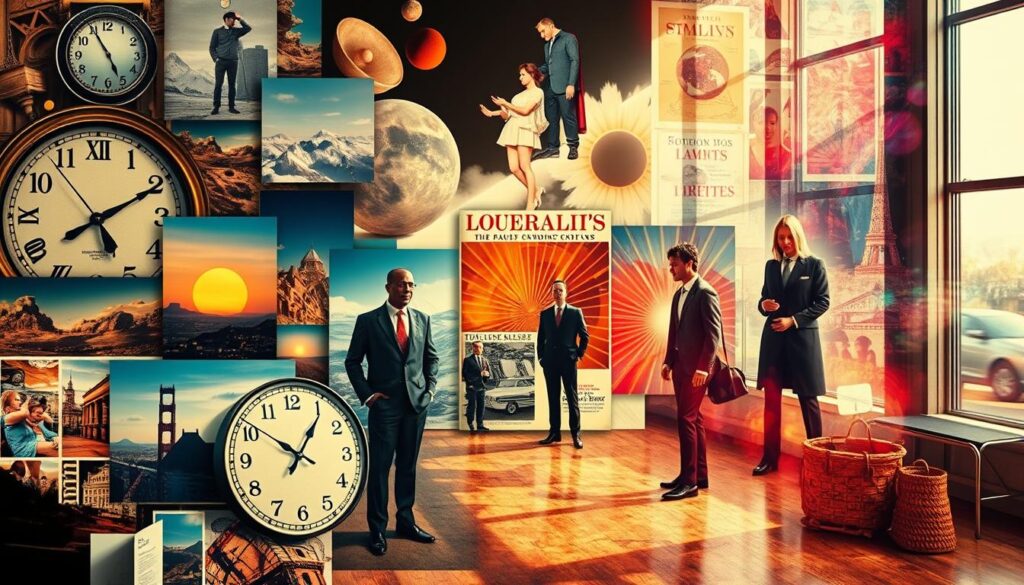
Fashion and advertising the uncanny in editorials and luxury campaigns
Surrealism has changed the look of fashion and ads. It brings dreams, desire, and the strange into editorials and luxury campaigns. Brands use this to create a unique visual style.
In fashion photos, we see a lot of fetishism and scopophilia. These ideas, inspired by Freud, make images that grab our attention. Luxury brands use this to make their products seem more appealing than just a product.
Ads today often use the shock and desire found in Un Chien Andalou. This film’s raw sexual tension and odd elements connect with people on an emotional level. It creates a bond that feels both irrational and strong.
Using Surrealist ideas in fashion photos shows how art can become part of ads. This shows how brands can use new ideas to tell stories that make them stand out.
| Luxury Brand | Surrealist Element | Campaign Focus |
|---|---|---|
| Chanel | Dreamlike imagery | Emotional allure |
| Gucci | Fetishized fragments | Avant-garde prestige |
| Dior | Uncanny juxtapositions | Luxury redefined |
Brands that use Surrealism create desire and seem more sophisticated and exclusive. This builds strong, irrational loyalty among customers. It’s a key strategy in today’s competitive market.
Postwar and music video era dream logic in mainstream screens
The postwar era and the rise of music videos changed how dream logic is used in movies. Directors learned from Buñuel’s later works, like El ángel exterminador (1962). This film showed how surreal dream logic can grab a wider audience.
In El ángel exterminador, guests are stuck in a dinner party and can’t leave. This strange setup criticizes social norms and religion. It creates a surreal trap that viewers find interesting.
Music videos became a place where surreal ideas thrived. They used quick cuts, non-linear stories, and shocking images. This made short, dream-like experiences that explored identity, emotion, and social issues in new ways.
The table below shows how music videos differ from traditional movies:
| Aspect | Narrative Films | Music Videos |
|---|---|---|
| Structure | Linear, with clear beginnings, middles, and ends | Non-linear, often abstract and fragmented |
| Imagery | Realistic, grounded in the narrative | Surreal, using morphing visuals and rapid cuts |
| Length | Typically 90-180 minutes | Usually 3-5 minutes |
| Purpose | Storytelling and character development | Artistic expression and brand promotion |
Adapting surrealist ideas can make content stand out. Dream logic is key in today’s video art. It helps tell stories in many ways across different platforms.
Contemporary moving image VR installations and algorithmic editing
The mix of surrealism and technology has led to a new era in contemporary video art. This new world uses immersive tech for a captivating and changing experience. Virtual Reality (VR) installations aim to create a dream world, where viewers become part of the dream.
Algorithmic editing adds to this experience. It uses code to create or arrange images, mimicking the subconscious. This tech twist on Surrealist automatism makes contemporary video art unique, personal, and open to interpretation.
VR installations are the peak of André Breton’s dream of a “superior reality.” They blend the viewer’s mind with the dream world, changing how we see art and stories.
The growth of AI in video art shows how art can guide tech. Artists use algorithms for unpredictable, dream-like images, pushing contemporary video art to new heights.
| Aspect | Traditional Art | Contemporary Video Art |
|---|---|---|
| Viewer Engagement | Passive | Active |
| Narrative Structure | Linear | Non-linear |
| Creation Process | Manual | Algorithmic |
| Experience | Observational | Immersive |
For business leaders and tech strategists, knowing about these changes is key. This look into immersive tech, human-computer interaction, and content creation is vital. It shows how old ideas like surrealism are as relevant today as ever.
Curating screenings formats rights and viewing conditions
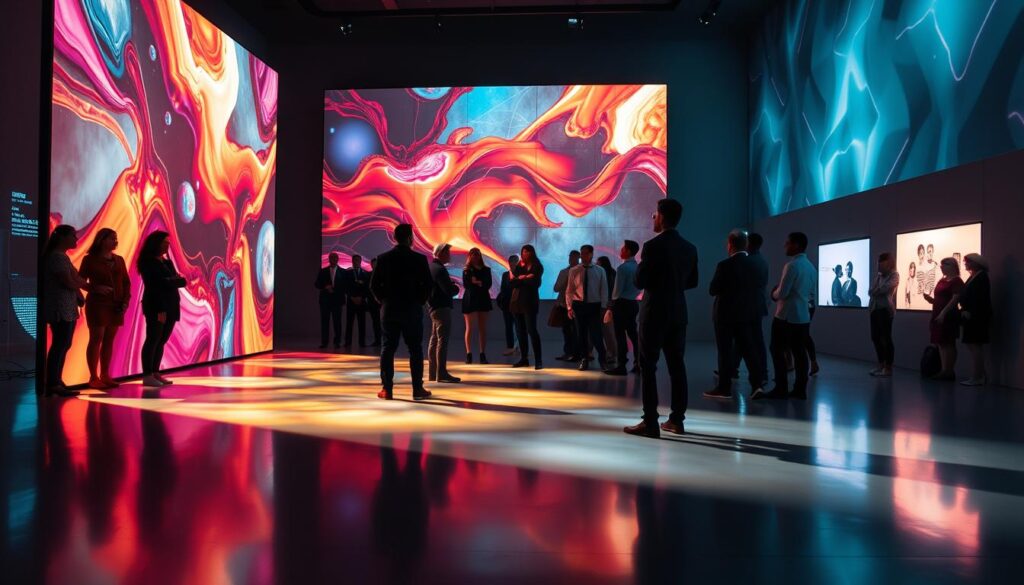
Curating surrealist film screenings is like being a creative director. It’s about making every detail count for maximum impact. It’s a challenge that mixes history with today’s viewing conditions. The setting where the film is shown is key to its effect; artists like Buñuel wanted to shock and disturb, not just entertain.
Getting it right means dealing with rights, picking the right format, and setting up the perfect viewing space. This work is like preparing for a high-fashion show, where every detail matters. Curators must think about:
- Screening Formats: Formats like 35mm nitrate prints or digital restorations change how the film looks.
- Viewing Conditions: Things like sound, seats, and lights are important to keep the film’s shocking spirit alive.
- Rights Management: Knowing the legal side of showing these films is key to avoid any problems.
Today’s screenings can keep the spirit of surrealism alive by making the audience feel involved. The wild premiere of L’Age d’Or shows what the artists aimed for. Curators have to manage many things to make a memorable event.
The success of a surrealist film screening depends on the curator’s skill. They need to mix creativity with practicality. This way, the film speaks to today’s viewers while staying true to the artists’ vision.
Collecting photographs editions condition signatures and print types
Surrealist photography is a special part of the art market. It needs a lot of knowledge from collectors. The charm of original rayographs, solarized prints, and photomontages by famous artists like Man Ray is clear. But, to succeed in this market, you must understand several key points.
First, you need to know about print types. These include vintage, later, and posthumous prints. Each type affects the value and authenticity differently. For example, a vintage gelatin silver print is usually more valuable than later ones.
Checking the condition of a print is also very important. The state of a print can greatly change its value. Look for any wear, fading, or damage. A photomontage in great condition, with a rich history, can be very valuable.
Also, verifying signatures and edition numbers is essential. Knowing if a photomontage is unique or part of a limited edition is key to its value. Works in famous Surrealist magazines are often more valuable because of their history.
In short, collecting Surrealist photography is more than just a hobby. It’s like managing an investment. Knowing a lot about the subject is important for making good choices. This includes doing thorough research, checking the condition, and knowing when to buy.
By learning these skills, collectors can make smart choices in Surrealist photography. This way, their investments will be both financially good and culturally meaningful.
Practical film club toolkit starter program with discussion prompts
A practical toolkit for exploring experimental film changes how we watch movies. It starts with key Surrealist works like Un Chien Andalou and L’Étoile de Mer. These films, paired with Breton’s Manifesto, help us understand the genre’s beginnings.
Discussion prompts should go beyond just what the films mean. Ask questions like: How does breaking the story affect us? What’s the point of using shocking scenes? These questions help us think deeply about the films’ techniques.
Also, talking about how these films make us think differently can spark interesting talks. This way, a film club becomes a place for thinking and solving problems creatively, inspired by the Surrealists.
In the end, this program aims to foster a culture of innovation. By using the unique, challenging nature of experimental film, teams can break out of old ways of thinking. It teaches us to question everything, accept uncertainty, and see problems in new ways.
Influence map how cinematic surrealism feeds today s creators
Surrealist cinema has a big impact on today’s creators. From Luis Buñuel’s early works to David Lynch’s films, surrealism shapes stories. Lynch’s movies, like Eraserhead, use dream-logic that’s popular today.
Modern ads use weird and fetishistic images, just like surrealists. Brands find that the strange grabs people’s attention. This way, they break through the usual marketing clutter.
New media art uses algorithms to create surreal experiences. Artists and designers make immersive worlds that question our views. This shows how surreal cinema’s ideas are key in today’s digital world.
For business folks, knowing this can help a lot. The 1920s’ avant-garde ideas are now key in communication. Going for bold, dreamlike ideas can lead to big wins.