
The world of Mexican Surrealism has grown a lot. It’s now a big part of the global Mexican art market. This art is special because it comes from Mexico’s culture, myths, and politics.
Artists like Leonora Carrington, Remedios Varo, and Wolfgang Paalen have added a lot to this art. Knowing their work is key for anyone wanting to collect it. This guide will help you understand how to get these unique pieces.
It also offers tips on checking if art is real, figuring out its value, and making sure it’s legally yours. This will help you navigate the exciting world of Mexican Surrealism.
Provenance building trustworthy lineages catalogs raisonne letters and photo docs
Provenance verification is key for any art collector or curator. It’s not just good to have; it’s necessary. This means creating a clear history of who owned the art, which is important because of past forgeries and disputes in Mexican Surrealism.
Catalogues raisonnés are very important in this process. They list an artist’s works and their backgrounds. This gives important info for checking if a piece is real.
Primary documents like letters, photos, and receipts from galleries are very important. They help prove a piece’s history and are legally strong. By carefully looking at these documents, experts can create a solid provenance that can be trusted.
Also, checking these documents against archives and estate foundations makes the provenance even stronger. This careful work not only protects the investment but also adds depth to the artwork’s story. It makes the artwork more appealing to serious buyers.
Condition issues common mediums craquelure retouching and paper acidity
Mexican Surrealism has a rich history and vibrant art. But, it often faces unique challenges with its artworks’ condition. Knowing these condition issues is key for curators and collectors.
Many mediums have their own problems. For example, oil paintings on canvas can get craquelure, fine cracks. These cracks often come from changes in temperature and humidity. It’s important to tell if these cracks are just aging or if they’re damaging the art.
Paper is another medium that needs careful attention, like in papel amate prints. This traditional bark paper is used to connect with pre-Columbian heritage. But, it’s sensitive to the environment and can become brittle and acidic. This can cause serious damage if not managed right.
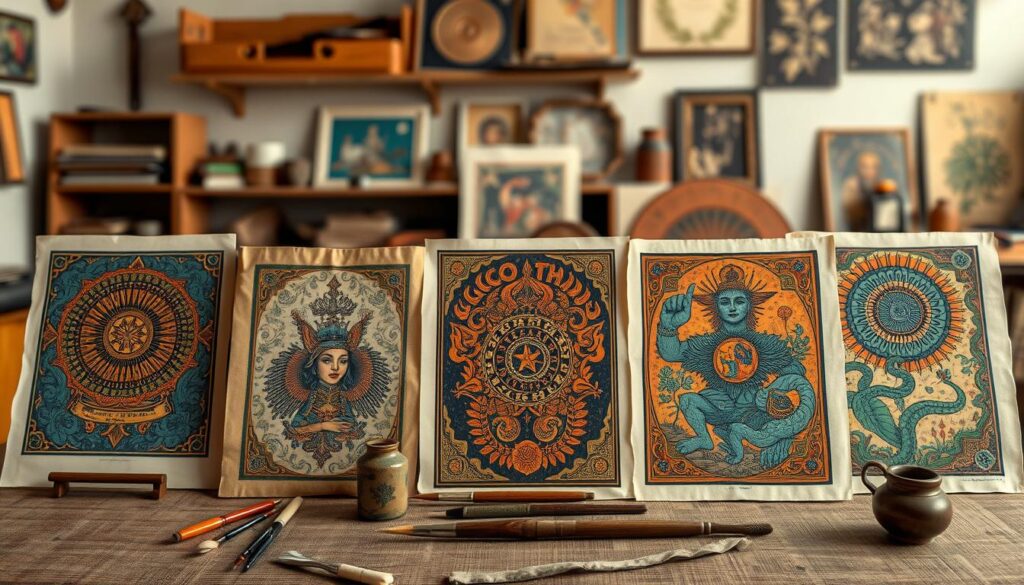
When looking at papel amate prints, checking the quality of any past touch-ups is important. Bad retouching can hurt the art’s look and value. So, collectors should get expert advice on the restoration of these pieces.
Knowing about these physical issues helps in preserving the art. It also affects how much the art is worth and if it can be insured. Collectors and curators need to understand these issues to keep Mexican Surrealist art alive.
Legal frame export permits patrimony declarations and ethical collecting
The rules for exporting Mexican cultural items are complex. Collectors and curators need to know the strict laws about moving art across borders. This part will look at how to get export permits from the Instituto Nacional de Bellas Artes y Literatura (INBAL).
There’s a big difference in the rules for different types of art. Some art is considered national patrimony and can’t be exported without permission. Other art can be sold and moved more easily.
Recent cases, like a famous collection of Diego Rivera and Frida Kahlo’s work going to Europe, have sparked big debates. These debates make us think about the loss of national art and the duties of collectors.
To follow Mexican law and global agreements, collectors must do their homework. This means:
- Knowing what kind of art they have.
- Getting the right export permits from INBAL.
- Talking to legal experts about cultural property laws.
Following these steps helps avoid legal trouble and keeps a good reputation. Ethical collecting helps protect cultural treasures and builds trust in the art world.
Price bands benchmarks for blue chips vs rediscoveries
The pricing landscape for Mexican Surrealism is quite interesting. It shows a big difference between famous artists and new talents. Knowing these price bands is key for collectors to move through this market well.
Blue-chip artists like Frida Kahlo and Rufino Tamayo get high prices. Their art is loved for its skill and value as investments. This leads to high prices at auctions and galleries.
On the other hand, rediscovered women artists like Alice Rahon and Bridget Tichenor are gaining attention. Their art, once ignored, is now valued more. This change is important for those looking to invest in art that could grow in value.
To show these price differences, here’s a table comparing average auction prices:
| Artist | Average Auction Price | Category |
|---|---|---|
| Frida Kahlo | $8,000,000 | Blue Chip |
| Rufino Tamayo | $3,500,000 | Blue Chip |
| Alice Rahon | $300,000 | Rediscovery |
| Bridget Tichenor | $250,000 | Rediscovery |
The market for photography surrealista is also changing. Vintage photos by Manuel Álvarez Bravo and Kati Horna are getting more attention. As they become more recognized, their prices are starting to show their true value.
In summary, knowing the pricing of Mexican Surrealism helps buyers spot good deals and predict future growth. By understanding the difference between famous artists and new finds, collectors can make smart choices and buy with confidence.
Where to buy galleries auctions estate sales and artist families
Finding Mexican Surrealism art is key for both curators and collectors. The market is rich and varied, with many ways to buy. Each option has its own benefits and challenges.
Here are the main places to find Mexican Surrealist art:
- Specialized Galleries: These places offer expert knowledge and insights. They have good reputations and can help verify authenticity.
- Auction Houses: Places like Sotheby’s provide clear bidding and detailed information. It’s important to check the artwork’s history and condition before bidding.
- Estate Sales: Buying directly from estate sales can be a chance to find rare, valuable art. But, make sure the sale is legitimate and the art’s history is verified.
- Artist Families and Foundations: Buying from the artist’s family or foundation can be exclusive. It requires good communication and understanding of the artist’s legacy.
Each option fits different collector needs, like rarity, price, or scholarly value. It’s important to know what you want and choose the right way to buy.
Display and conservation climate light and travel framing practices
Keeping papel amate prints in good condition is key. Curators and collectors must follow certain steps. This helps these artworks stay valuable and appreciated over time.
Climate control is vital for papel amate prints. These artworks can easily get damaged by changes in the environment. It’s important to keep the temperature and humidity levels stable. The ideal temperature is between 65°F and 70°F, with humidity at 40-50%.
Light also affects the longevity of these prints. It’s best to limit exposure to natural light and use artificial light with low UV. Monitor light exposure in lux hours, aiming for no more than 50 lux. Using UV-filtering glazing in frames can also protect the artwork.
When moving or showing these prints, extra care is needed. Travel framing should include sealed, microclimate enclosures. These enclosures keep the environment stable, protecting the prints from temperature and humidity changes during transport.
By following these display and conservation tips, papel amate prints can stay vibrant and intact. This way, future generations can also enjoy them.
Insurance loans and shipping museum standards for international movement
When moving fine art across borders, knowing about insurance and export rules is key. Artworks need special insurance when they’re on the move. This insurance usually covers all risks during transport. But, it’s important to know what’s not covered, like damage to fragile Surrealist pieces.
Also, you need export permits to start the insurance process. Without these, getting through customs can be tough. This can cause big delays and even losses. It’s important for collectors and curators to understand these rules well.
Shipping art safely is also a big deal. This means using special trucks and extra packing to keep art safe. A logistics expert helps with all the details, like getting the right permits and bonds for loans.
In short, moving art safely needs careful planning and following rules. Collectors and curators must know about insurance, permits, and shipping to keep their art safe.
For more on the legal side of art deals, check out this resource on export permits.
Case studies three acquisitions what went right what to avoid
Looking at specific acquisitions gives us a clear view of what to do and what not to do in Mexican surrealism collecting. This part talks about three examples that show how important research and planning are in the art world.
The first story is about a Leonora Carrington painting bought successfully. The buyer did deep provenance research through a European gallery’s archives. This careful check confirmed the painting’s history and helped the buyer get it for less than its worth. This shows how careful research can lead to good deals.
The second story is about a bad purchase of a supposed early Rufino Tamayo watercolor. The buyer didn’t check the painting’s pigments and didn’t look into its ownership history. This mistake cost the buyer a lot of money. It teaches us the importance of checking an artwork’s authenticity before buying.
The third story is about finding a big photography surrealista archive. The buyer made sure to follow the right steps to confirm the collection’s authenticity. They also made sure all legal steps for exporting were done. By doing this, the buyer showed the value of following the rules and doing things right in art collecting.
These stories teach us important lessons. They tell us to always check the artwork’s history, to not ignore small details, and to follow the right steps. By learning from these examples, collectors can avoid mistakes and make smart choices in the world of Mexican surrealism collecting.
Reading list and advisors how to build a knowledgeable team
To succeed in the Mexican art market, you need a solid base of knowledge. Curators and collectors should read key books and exhibition catalogs. “Mexican Art: A Cultural History” and “Surrealism in Mexico” are great for understanding this art form.
Market reports from Artprice and The Art Market Monitor are also important. They show current trends and prices. This information helps collectors make smart choices in the Mexican art market.
Having a knowledgeable team is just as important. Look for advisors who know Mexican surrealism well. An art historian can give you the background and significance of the art. A legal expert ensures you follow all laws and ethics.
Also, a conservator skilled in modern Latin American materials is vital. They help keep the art in good condition. With a team of experts, you can protect both the cultural and financial value of your collection. Investing in knowledge is key for serious collectors of Mexican surrealism.